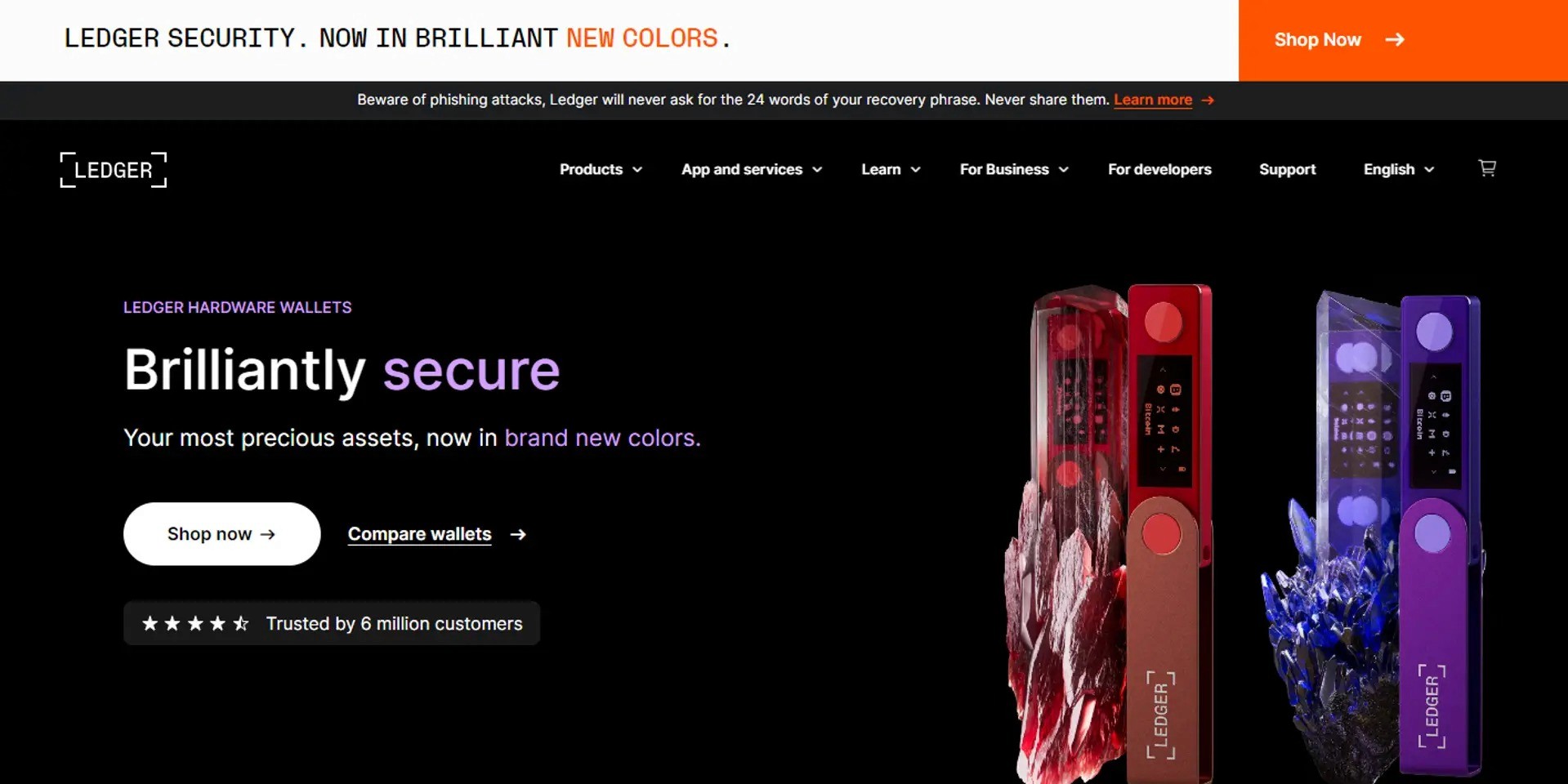
Ledger Login: A Secure Gateway to Self-Custody Cryptocurrency
As cryptocurrency adoption continues to grow, security has become one of the most critical concerns for users. Centralized exchanges and software wallets often expose users to risks such as hacking, phishing, and unauthorized access. Ledger addresses these challenges by offering a hardware-based login system that prioritizes ownership, privacy, and protection.
Ledger Login is not a traditional sign-in process. Instead, it is a secure method of accessing your digital assets through a physical device that keeps your private keys offline at all times. This guide explains how Ledger Login works, why it is different, and how to use it safely and effectively.
What Does Ledger Login Mean?
Ledger Login refers to the process of accessing cryptocurrency accounts using a Ledger hardware wallet and the Ledger Live application. There is no online account, password, or cloud-based credential involved.
Key elements of Ledger Login include:
Hardware wallet authentication
PIN-based device access
Offline private key storage
Manual confirmation for every transaction
This model ensures that users retain complete control over their assets without relying on third parties.
Ledger Hardware Wallets and Login Access
Ledger Login is supported by Ledger hardware devices, including:
Ledger Nano S Plus
Ledger Nano X
These devices store cryptographic private keys inside a secure chip. Even when connected to an internet-enabled device, the private keys never leave the hardware wallet.
The Ledger device acts as the “key” required to log in and approve actions.
Ledger Live: The Interface Behind Ledger Login
Ledger Live is the official software that enables Ledger Login. It functions as a dashboard for interacting with blockchain networks while relying on the hardware wallet for security.
Through Ledger Live, users can:
View balances across multiple blockchains
Receive and send cryptocurrency
Install blockchain apps on the device
Stake supported coins
Connect to Web3 and DeFi platforms
Ledger Live cannot operate independently—it requires the Ledger device for authentication.
How the Ledger Login Process Works
The Ledger Login process follows a hardware-first approach:
The user opens Ledger Live
The Ledger device is connected (USB or Bluetooth)
The device is unlocked using a PIN
Ledger Live reads public account data
Any transaction must be approved on the device screen
This process ensures that no sensitive data is exposed online.
Ledger Login on Desktop Systems
Ledger Live supports desktop operating systems including Windows, macOS, and Linux.
Desktop Login Flow
Install Ledger Live from the official source
Connect the Ledger device via USB
Enter the PIN on the device
Access accounts and portfolio data
Desktop login is commonly preferred for portfolio management and long-term storage.
Ledger Login on Mobile Devices
Ledger also supports mobile login for users who want flexibility without compromising security.
Mobile Login Highlights
Bluetooth-enabled login (Ledger Nano X)
Encrypted communication
On-device confirmation for every action
Mobile Ledger Login is ideal for users who want to monitor or transact while on the move.
Why Ledger Login Is Different from Traditional Wallet Logins
Most crypto platforms rely on usernames, passwords, and cloud-based recovery. Ledger Login removes these vulnerabilities.
Key Differences
No passwords to steal
No centralized servers holding user data
No recovery emails or reset links
No exposure to browser-based attacks
This makes Ledger Login particularly resistant to phishing and malware threats.
Ledger Login and Transaction Approval
A unique aspect of Ledger Login is manual transaction approval. Even after login, no transaction can occur unless the user:
Reviews transaction details on the device screen
Confirms the action by pressing device buttons
This step protects users from hidden or malicious transactions.
Recovery Phrase and Ledger Login Security
The recovery phrase is the ultimate backup for Ledger Login. It allows users to restore access if the device is lost, damaged, or reset.
Important rules:
The recovery phrase should never be stored digitally
It should never be entered into Ledger Live or websites
Anyone with the phrase can access the funds
Ledger Login security depends heavily on how well this phrase is protected.
Common Ledger Login Errors and How to Avoid Them
Connection Issues
Use original cables
Avoid unstable Bluetooth environments
Restart Ledger Live if needed
PIN Lockouts
Enter the PIN carefully
Too many incorrect attempts reset the device
Fake Ledger Apps
Only use official Ledger Live downloads
Ignore emails asking for recovery phrases
Ledger Login for DeFi and Web3 Access
Ledger Login can be extended to Web3 platforms by connecting the device to third-party wallets. This allows users to:
Interact with DeFi safely
Sign smart contracts offline
Maintain full control over keys
The Ledger device still controls approvals, even when used with external applications.
Privacy Benefits of Ledger Login
Ledger Login supports the decentralized ethos of cryptocurrency by offering:
No personal data collection
No identity verification
No tracking of user accounts
Users interact directly with blockchains, not Ledger servers.
Ledger Login for Long-Term Asset Protection
Ledger Login is especially beneficial for:
Long-term crypto investors
Users holding large balances
Individuals seeking maximum security
Anyone practicing self-custody
By combining hardware security with user responsibility, Ledger Login enables safe crypto ownership.
Best Practices for Using Ledger Login Safely
Verify addresses on the device screen
Keep Ledger Live and firmware updated
Store recovery phrase in multiple secure locations
Never trust unsolicited messages
Always confirm actions physically on the device
Conclusion
Ledger Login represents a secure, decentralized approach to cryptocurrency access. By replacing passwords with hardware authentication and offline key storage, Ledger offers a powerful solution for users who value security and ownership.
With proper usage and responsible recovery phrase management, Ledger Login provides peace of mind in an increasingly complex crypto environment. It is not just a login method—it is a foundation for true digital asset self-custody.