Ledger Login:
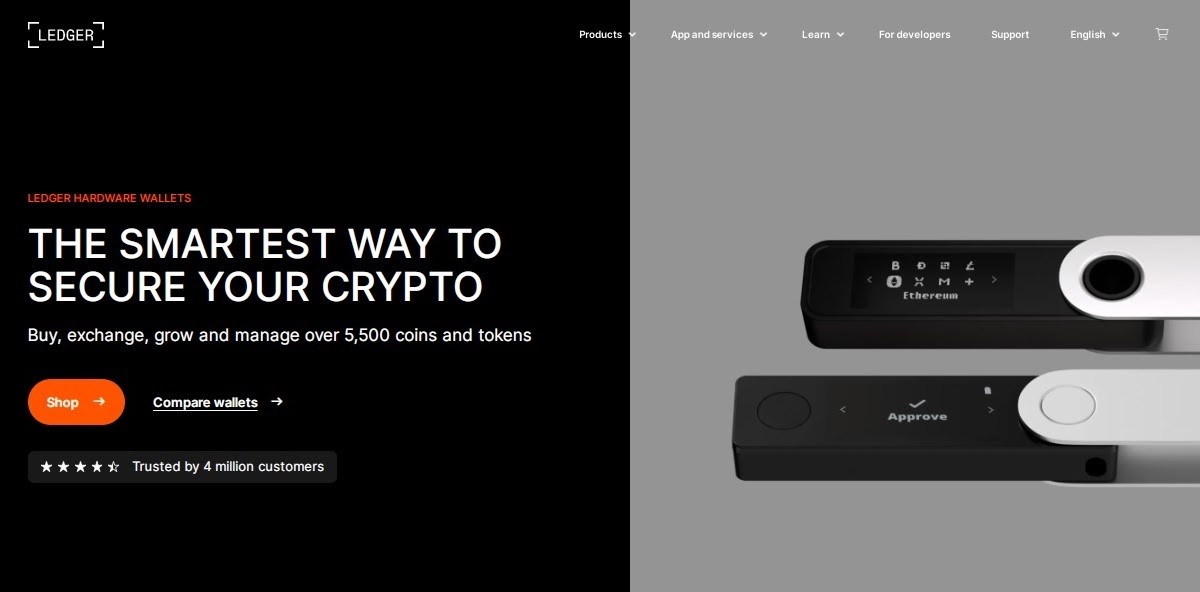
Cryptocurrency ownership is built on one fundamental principle: you are in control of your assets. While this freedom is empowering, it also places full responsibility on users to protect their funds. Ledger, one of the most trusted names in crypto security, offers a robust solution through its hardware wallets and companion software.
Ledger Login is not a typical username-and-password experience. Instead, it is a security-first process designed to ensure that your private keys remain offline at all times. This guide explains how Ledger Login works, how to access Ledger safely, and how to maintain long-term security.
What Is Ledger Login?
Ledger Login refers to the process of securely accessing your cryptocurrency accounts using a Ledger hardware wallet in combination with Ledger Live software. Unlike online wallets or exchanges, Ledger does not store your private keys on the internet.
Key characteristics of Ledger Login include:
No email or password required
Access controlled by a physical hardware wallet
PIN-based authentication
Manual transaction confirmation on the device
This approach eliminates many common risks such as phishing attacks, keyloggers, and malware.
Understanding Ledger Live and Its Role
Ledger Live is the official desktop and mobile application developed by Ledger. It acts as a secure interface between your Ledger device and blockchain networks.
With Ledger Live, users can:
Check crypto balances
Send and receive digital assets
Install blockchain apps on the device
Swap supported cryptocurrencies
Access staking and DeFi services
Ledger Live does not store private keys. All sensitive operations are approved and signed directly on the Ledger hardware wallet.
How Ledger Login Works
Ledger Login is based on hardware authentication, not online credentials. The login process works as follows:
You connect your Ledger hardware wallet to Ledger Live
You unlock the device using your PIN
Ledger Live verifies the device connection
Account data is displayed without exposing private keys
Every transaction must be physically approved on the device, ensuring full user control.
Ledger Login on Desktop Devices
Supported Operating Systems
Ledger Live works on:
Windows
macOS
Linux
Desktop Login Process
Download Ledger Live from the official Ledger website
Install the software on your computer
Connect your Ledger hardware wallet via USB
Enter your PIN on the device
Access your accounts securely
Once connected, Ledger Live automatically synchronizes account balances and transaction history.
Ledger Login on Mobile Devices
Ledger also supports secure login on mobile devices for added convenience.
Supported Platforms
Android
iOS
Mobile Login Process
Install Ledger Live from the official app store
Open the app and choose to connect a device
Pair your Ledger device (Bluetooth or USB OTG)
Unlock the device using your PIN
View and manage your crypto securely
Bluetooth communication is encrypted and requires manual confirmation on the device.
Why Ledger Login Is More Secure Than Traditional Wallets
Ledger Login stands out because it removes many vulnerabilities found in software wallets.
Offline Private Keys
Private keys never leave the hardware wallet, even when connected to the internet.
Physical Confirmation
Every transaction must be approved on the Ledger device itself.
No Centralized Accounts
There is no Ledger account, password database, or server storing user credentials.
Protection Against Phishing
Even if Ledger Live is compromised, transactions cannot be executed without the physical device.
Common Ledger Login Problems and Solutions
Ledger Device Not Detected
Check USB cable or Bluetooth connection
Restart Ledger Live
Update device firmware
Incorrect PIN Attempts
After multiple incorrect attempts, the device resets
Restore access using your recovery phrase
Ledger Live Sync Issues
Update Ledger Live to the latest version
Clear cache within the app
Reconnect the device
Ledger Login and Recovery Phrase
The recovery phrase is the most critical security element in the Ledger ecosystem.
Important rules:
Never enter your recovery phrase online
Never share it with anyone
Store it offline in a secure location
If your Ledger device is lost or damaged, the recovery phrase allows you to restore access on a new device.
Best Security Practices for Ledger Login
To ensure long-term safety, follow these best practices:
Only download Ledger Live from official sources
Always verify transaction details on the device screen
Use a strong, unique PIN
Enable passphrase protection if needed
Keep firmware and Ledger Live updated
These steps significantly reduce the risk of unauthorized access.
Ledger Login for Long-Term Crypto Holders
Ledger Login is particularly valuable for users who:
Hold large amounts of cryptocurrency
Invest long-term rather than trade daily
Participate in staking or DeFi
Want full ownership without third-party risk
The combination of hardware security and user control makes Ledger ideal for serious crypto users.
Privacy Advantages of Ledger Login
Ledger Login does not require:
Personal identification
Email addresses
Phone numbers
This ensures complete privacy and aligns with the decentralized philosophy of blockchain technology.
Ledger Login vs Exchange Login
FeatureLedger LoginExchange LoginPrivate Key OwnershipUserExchangeOnline ExposureMinimalHighAccount RecoveryRecovery PhraseEmail/SupportSecurity LevelVery HighMediumControlFullLimited
Ledger Login offers unmatched control and security compared to centralized platforms.
Conclusion
Ledger Login represents one of the safest ways to access and manage cryptocurrency. By removing online passwords and keeping private keys offline, Ledger significantly reduces the risk of theft, hacking, and fraud.
Whether you are a beginner or an experienced crypto holder, understanding how Ledger Login works is essential for protecting your assets. With proper setup, responsible recovery phrase storage, and secure usage habits, Ledger provides a powerful solution for long-term crypto security.